
Take My Books, Please
Reflections on the Settlement of Bartz v Anthropic
I’m posting more selections from my published books here at Dada Drummer Almanach, in response to an irony of my writing life: only my latest book is in print, yet all are being mined for AI.
This is more than a paranoid assumption. A searchable database provided by The Atlantic in September 2023 detailed just one source of texts used by AI models. I learned then that not only my nonfiction but even my prose poetry had gone into the AI mill. My three full-length books to that date, Ways of Hearing, The New Analog, and The Memory Theater Burned were all in the database, alongside various journal publications of mine.
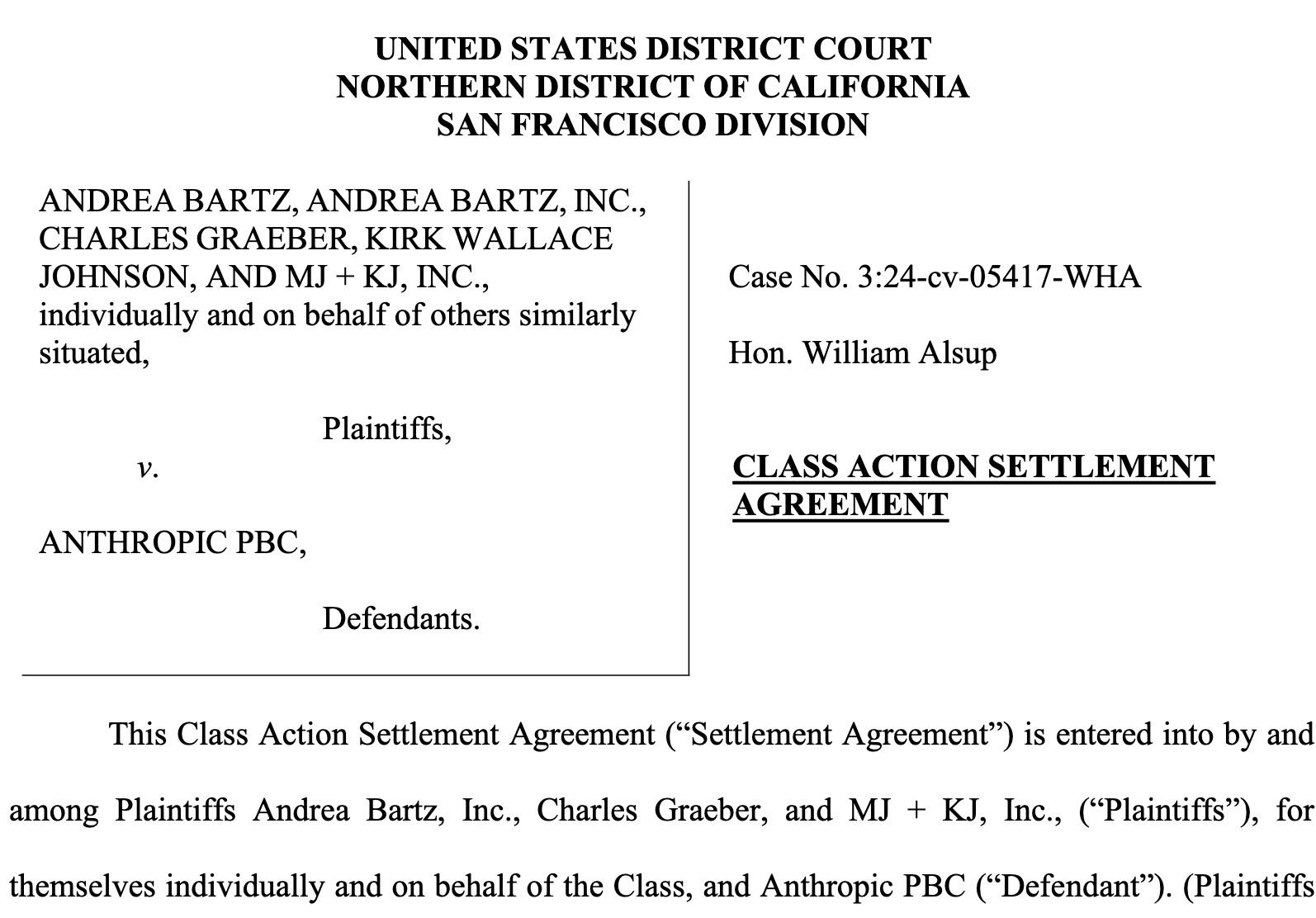
Use of my published work in this way without my knowledge or permission fell into the category covered by a class action suit brought against the AI company Anthropic (same company that created Claude, which I interviewed lately about AI music). I opted in and joined the suit, filing a claim which used a modified version of The Atlantic’s database. This modified database dropped my book of prose poetry, as well as my journal publications, but still included all my nonfiction books at the time.
That class action suit against Anthropic never went to trial. Instead, it was settled out of court in December 2025 for one and half billion dollars ($1,500,000,000), “the largest copyright class action settlement in history” according to the website set up by those responsible for bringing the case. But whether this represents a victory or a defeat for those of us who write the books used by Anthropic and other AI companies is an open question.
For one, the settlement allows Anthropic to maintain a position regarding its right to make use of any and all published materials. “Anthropic denies all the allegations and denies that it did anything wrong. Anthropic argues that its use of the downloaded datasets was fair use,” as the plaintiff lawyers explain. Settlement means there has been no legal judgement against Anthropic, and the money paid does not equate to an alteration of their position in any way. A billion and a half dollars later, Anthropic’s argument for fair use stands.
Still, you might think, a billion and a half is nothing to sneeze at. Depends who you are, though. The lawyers’ estimate for payout is currently $3,000 per title. Moreover, the list of titles eligible for payout has again been reduced. For me, only one of my books remains in the final claimants’ database: Ways of Hearing, published in 2019. All my other writing – those books I know have already been used by Anthropic and other companies, and those yet to be used by them - will remain uncompensated from this settlement.
There is something mighty familiar about this from my experiences in recorded music. The value of recorded music has been reduced by streaming platforms’ unrestrained use of it – that same $3,000 Anthropic will pay per title represents royalties for a million streams on Spotify. But even more to the point, how much of recorded music can claim any payment at all has been reduced to a shorter and shorter list over time. Spotify currently doesn’t pay royalties on 88% of tracks on its platform.
Whatever your judgement about the appropriateness of the dollar figure attached to the settlement with Anthropic, an undisputed net result is a shorter list of titles which can command compensation whatsoever for use by AI. This narrowing is precisely what we have experienced in recorded music ever since the introduction of streaming. We are now, evidently, in the process of doing the same for books.
Why shouldn’t I offer my published texts to those who actually want to read them, rather than chew them up and spit them out for corporate profit?
Meanwhile, please consider a paid subscription to this newsletter if you can afford it. It may be the only payment I receive for my writing going forward.
Listening to: Peanut, by Otto Benson
Cooking: coffee brewed in an upside-down Aero press
Oh, it all sucks. But honestly, I'm looking forward to the money (11 of my books got scraped). In another take, a friend was complaining because so-called reviewers (perhaps on Goodreads?) were calling out another book as "completely AI-generated." The book being complained about was about 20 years old. As my friend pointed out, "NO, THIS IS WHAT AI HAS DIGESTED AND IS SPITTING BACK AT YOU. It is the original material." I mean, I guess it's good that readers are aware but ... common sense?
New paid subscriber here. Your thinking and writing is great, and I think I'll go find some of your books next. Keep writing, please and thanks!